Nullam dignissim, ante scelerisque the is euismod fermentum odio sem semper the is erat, a feugiat leo urna eget eros. Duis Aenean a imperdiet risus.

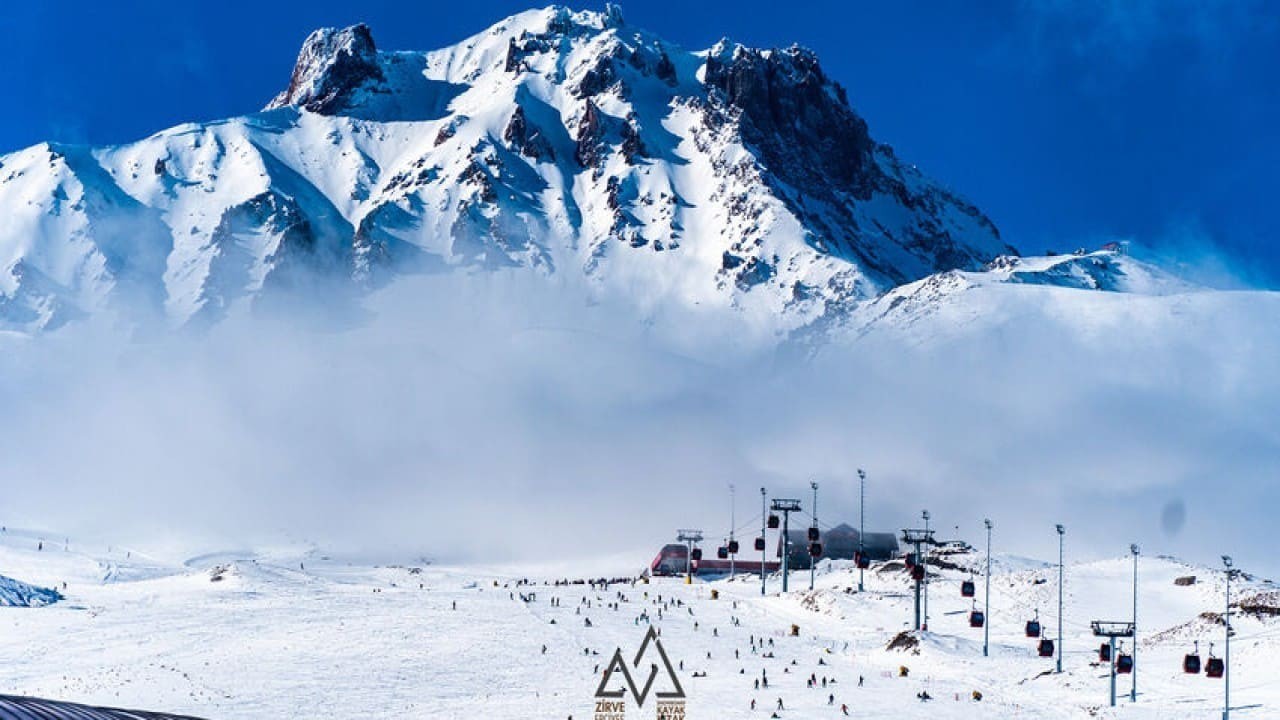
Ski Equipment Selection
Boot last, pole length and the right ski length directly affect your performance. Here is a practical selection guide.
Ski Equipment Selection: A Guide for Beginners and Intermediates
One of the most important questions for those who are new to skiing is: “Which ski equipment should I choose?” In skiing, one of the most enjoyable winter sports, choosing the right equipment directly affects not only performance but also safety. Whether you are a beginner or intermediate, it is very important that the equipment you use while skiing is high-quality and suitable for you.
Why Is Choosing the Right Ski Equipment Important?
The wrong size skis, uncomfortable ski boots, or a low-quality helmet can make the sport less enjoyable and increase the risk of injury. Especially for those who are beginner skiers, choosing the right equipment directly affects learning speed and motivation.
👉 If you don’t know your ski level yet, first check out this article: Ski Level Assessment
Basic Ski Equipment
The essential equipment a skier needs includes:
-
Skis: Should be chosen according to your height and level. For beginners, shorter skis are recommended.
-
Ski boots: Should fit the foot properly—not too tight and not too loose.
-
Ski poles: Used to maintain balance and assist in turns.
-
Ski helmet: The most important equipment for safety.
-
Ski goggles: Protects against snow glare and wind.
-
Ski clothing: Should be waterproof and breathable.
Choosing Skis
There are three main criteria to consider when choosing skis:
-
Height: Skis should be 10–15 cm shorter than your height.
-
Level: For beginners, shorter skis that are easier to control are recommended.
-
Purpose: Different models are available for slope skiing, freestyle, or racing.
👉 If you are a beginner, first check out this article: Beginner Ski Lesson Guide in Erciyes
Choosing Ski Boots
Ski boots are one of the most critical pieces of equipment. The wrong boots can reduce performance and cause serious foot pain.
-
They should fit snugly but not restrict blood circulation.
-
The inside should keep the feet warm, while the outer surface should be waterproof.
-
For beginners, boots with a softer flex rating are recommended.
Ski Clothing and Accessories
The clothing used during skiing should both protect you from the cold and provide freedom of movement.
-
Ski jacket and pants: Should be windproof and waterproof.
-
Gloves: Should be thermal and waterproof.
-
Ski goggles: On sunny days, UV-protected lenses should be used, while on foggy days, wide-vision lenses are preferable.
-
Helmet: The most important equipment where safety should never be compromised.
👉 If you are considering ski equipment for your child, check out this article: Ski Lessons for Children
Buying vs. Renting Ski Equipment
For those new to skiing, renting ski equipment is generally the more reasonable option. It reduces costs and provides the opportunity to try different equipment. For those planning to ski regularly, however, buying their own equipment is more advantageous in the long run.
👉 For detailed pricing information, check out our guide: Adult Ski Lessons
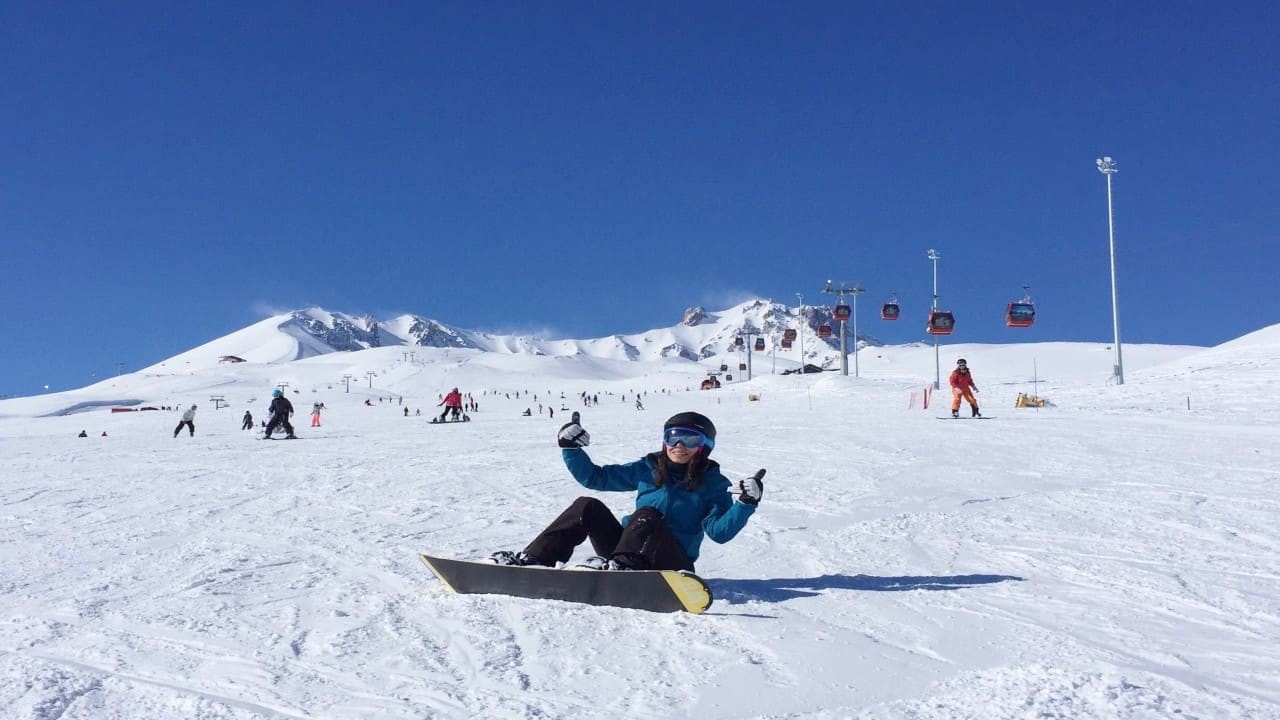
Beginner Ski Lesson Guide in Erciyes
- Wednesday, 13 August 2025 11:45
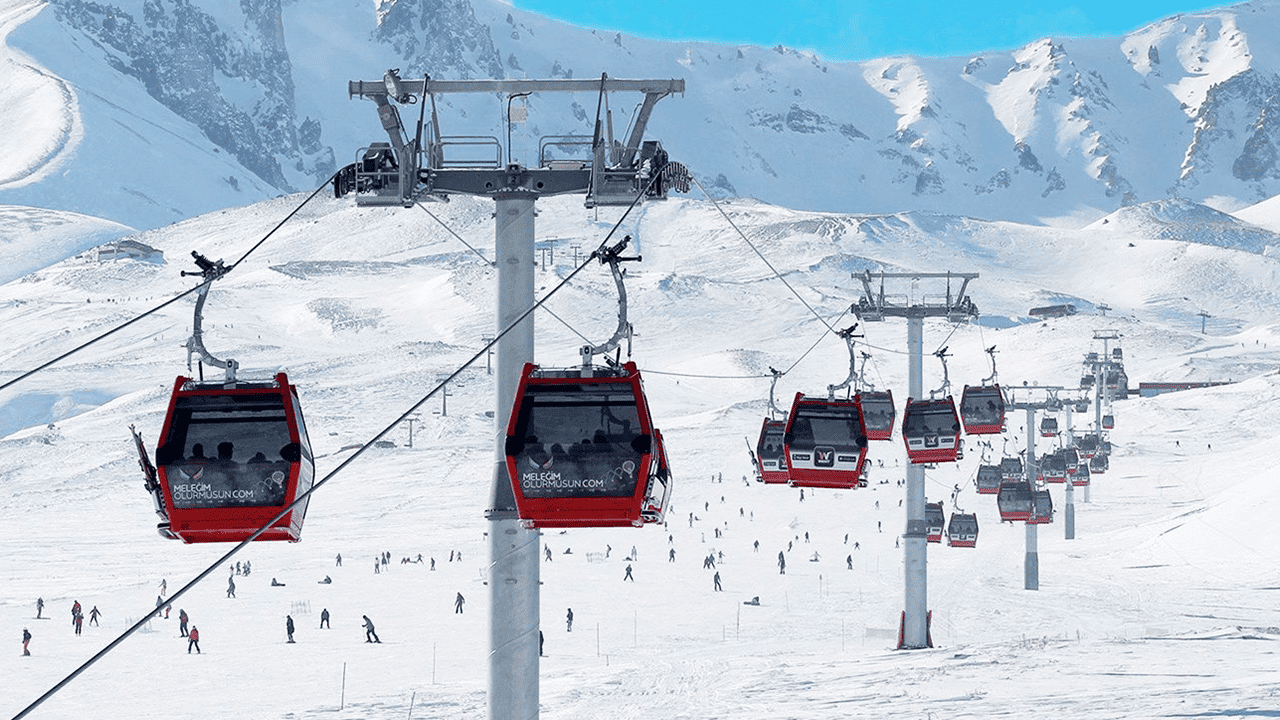
Private Ski Lessons in Erciyes
- Wednesday, 13 August 2025 11:45
Skiing Safety
- Wednesday, 13 August 2025 11:45
Need Any Help
Need any help, Call Us 24/7 Full Support
- Call Us:
- +90 534 691 13 23
- Mail Us
- info@erciyesrumeysahoca.com
- Location:
- Erciyes
Leave a Comment